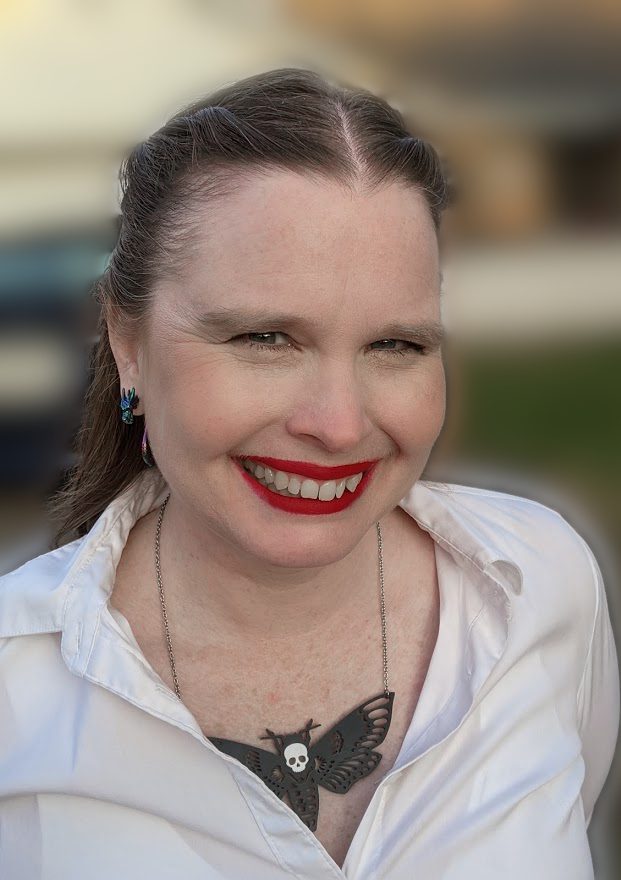
Dr. Adrienne Brundage, D-ABFE, is a board certified forensic entomologist that has served the community of friends and neighbors nationwide since 2012. Our team of experts help our community of friends and neighbors explore the origins of insects. Oftentimes, the valuable information insects hold about humanity is overlooked. You have an opportunity to learn and explore the true nature of insects.
We believe in a strong gateway of communication with our clients to ensure they’re getting the latest facts, discoveries, and research methods in entomology.
Our Services
Our consultations are centered with your goals in mind. We understand communication is important to structure your unique curriculum, and that’s why we also listen.
.01
Insect Case Reports
Ut enim ad minim veniam, quis nostrud exercitation ullamco laboris nisi.
.02
Analyzing Insects
Ut enim ad minim veniam, quis nostrud exercitation ullamco laboris nisi.
.03
Entomology Interviews
Ut enim ad minim veniam, quis nostrud exercitation ullamco laboris nisi.
As kids, most of us love the thrill of insects. Whether we played with them or watched them in their own habitat, we’re familiar with some types of insects from our childhood memories. Oftentimes, children are intrigued by the metamorphosis caterpillars go through to become a beautiful butterfly. For some businesses or homeowners, insects can be pests.
Are you interested in forensics involving insects? Adrienne Brundage Forensics Entomologist is a board-certified team of highly recognized entomologists, interns, and students.
Our mission is to analyze how insects can have an impact on every area of our life. We offer a variety of tools and resources directly related to insects. Discover the influence insects have on society by partnering with us today.
Want to reach an Entomologist directly Contact us!
You can even learn more about the field to enhance your acting role and advance your career. We feature a list of services that include entomology interviews from the top leaders in the field. If you need a service you don’t see listed above, you’re invited to give us a call